International projects at a glance
Case studies by Kahl & Schlichterle
A comprehensive solution for bottling beer in glass bottles was put together for the Burundi Brewery in Ngozi. Fully reconditioned used machines were combined with new plant components, conveyor systems, control systems and cleaning and supply technology.
Burundi Brewery S.A. | Ngozi, Burundi | Project 2018

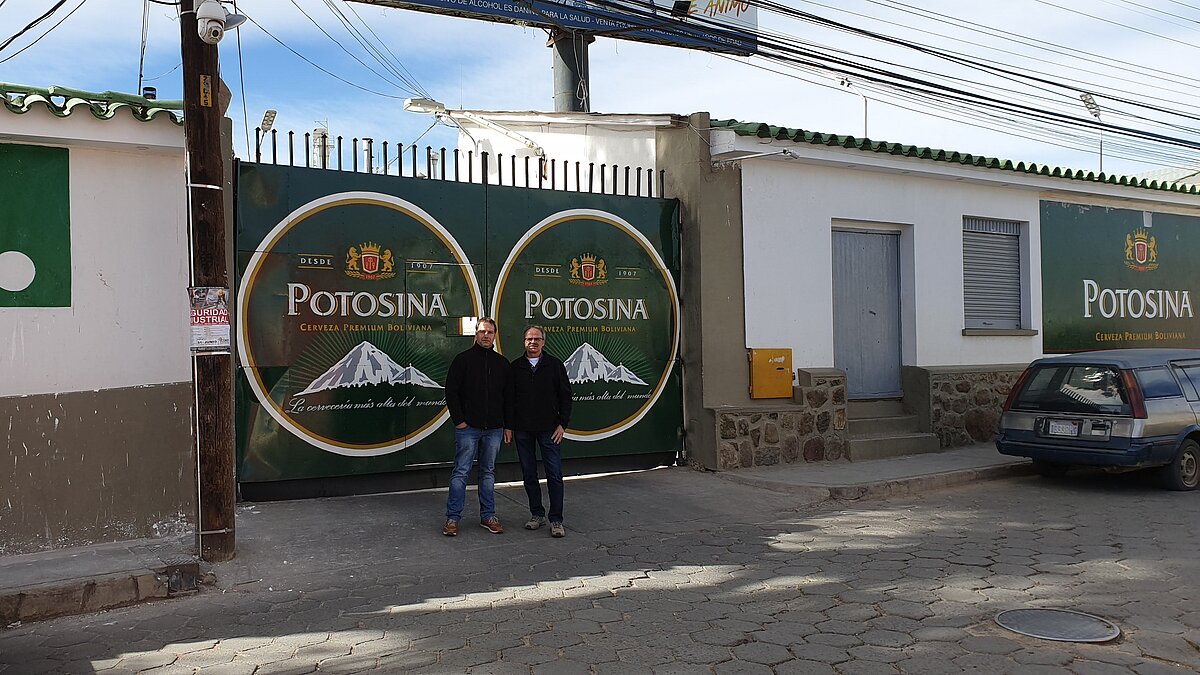
Several used machines were fully reconditioned for Cervecería Nacional Potosí Ltda. and technically prepared for use at the production site, situated at an altitude of approximately 4,080 metres. This was followed in 2020 by a further order for a fully reconditioned bottle washing machine.
Cervecería Nacional Potosí Ltda. | Potosí, Bolivia | Project 2019 + Expansion 2020
Beer filling line for Burundi Brewery
An integrated filling solution for the Burundian beer marketBurundi Brewery S.A. in Ngozi is the leading producer of fruit-based beers in Burundi. The brewery required a complete technical solution for bottling beer in glass bottles. The aim was to integrate the key production stages – from bottle washing through to filling, pasteurisation and labelling – into a single, coherent production line.
The documented supply combined fully reconditioned used machines with new plant components. The concept was supplemented by conveyor technology, electrical control systems, cleaning and utility systems, as well as spare parts.
| Client | Location | Project year | Design |
| Burundi Brewery S.A. | Ngozi, Burundi | 2018* | up to 8,000 bottles per hour* |
A complete solution for beer bottling
Different machines brought together into one lineThe aim of the project was to integrate the key stages of the bottling process into a coherent technical solution. To this end, suitable machines were selected and coordinated with one another.
The line comprised the cleaning of glass bottles, filling and capper, pasteurisation, followed by labelling and quality control. The core machinery was supplemented by the necessary conveyor systems and various auxiliary units.
A key element of the project was the combination of fully reconditioned used machines with new components. This resulted in a plant in which existing and new technology were combined in line with production requirements.
The technical solution
From bottle washing to labellingBottle cleaning
The plan was to supply a fully reconditioned MAG Sirio 7/14 stainless steel bottle washer. According to the technical documentation, it accommodates 14 bottles per row and has a specified capacity of 4,500 to 14,000 bottles per hour.
Beer filler and capping technology
At the heart of the line was a fully reconditioned BKM-Nagema Varifill 32/8/8 pressure filler, The year of manufacture was 2001, and it had 32 filling valves, an eight-head aluminium screw-cap capping unit and an eight-head crown cap capping unit. The documented capacity was approximately 7,500 bottles per hour, with a maximum of 8,000 bottles per hour.
Tunnel pasteurisation
A new Hermis TP HRW 10 tunnel pasteuriser was specified for a capacity of 9,600 bottles per hour for 0.5-litre bottles.
Labelling and quality control
A fully reconditioned Krones Universella 10-4-4, manufactured in the year 2003, was intended for the labelling process. It was designed for belly, neck and back labels using cold glue. A new Heuft fill-level control system with a rejection station completed the line.
Conveyor technology and auxiliary units
The scope of supply also included depalletising, manual unboxing and re-boxing, crate and bottle conveyors, electrical control cabinets, a central lubrication system, a cleaning-in-place station with three tanks, beer pumps, installation materials and spare parts.
Performance data at a glance
| Feature | Documented design |
| Product | Beer |
| Container | Glass bottles |
| Bottle sizes | 0.5 l and 0.65 l |
| Line capacity for 0.5 l | up to 8,000 bottles/h |
| Line capacity at 0.65 l | approx. 7,500 bottles/h |
| Tunnel pasteuriser | 9,600 bottles per hour at 0.5 l |
| Transport planning | 4 × 40-foot containers, sea freight |
Project handling and international transport
Preparations for international shipment were a key part of the project. The documentation specifies special transport crates for the bottle washer, the tunnel pasteuriser and the filler. Sea transport was to take place via a European port; four 40-foot containers are documented.
The attached layout plan shows the proposed arrangement of the main machines and conveyor lines, as well as the connections for media and utilities. The delivery period was specified as March/April 2018.
The brewery and its brand
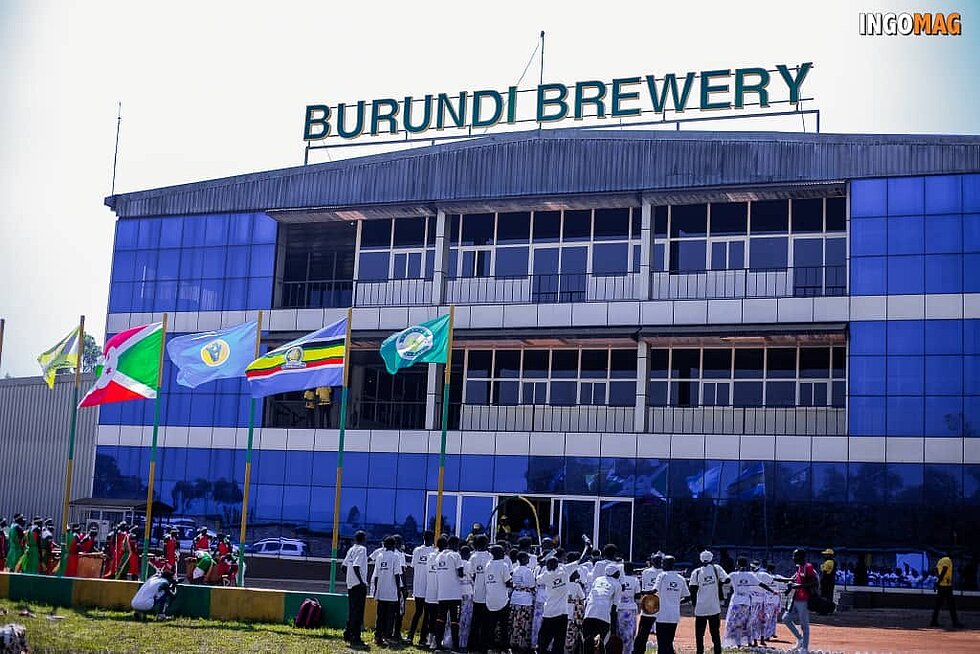
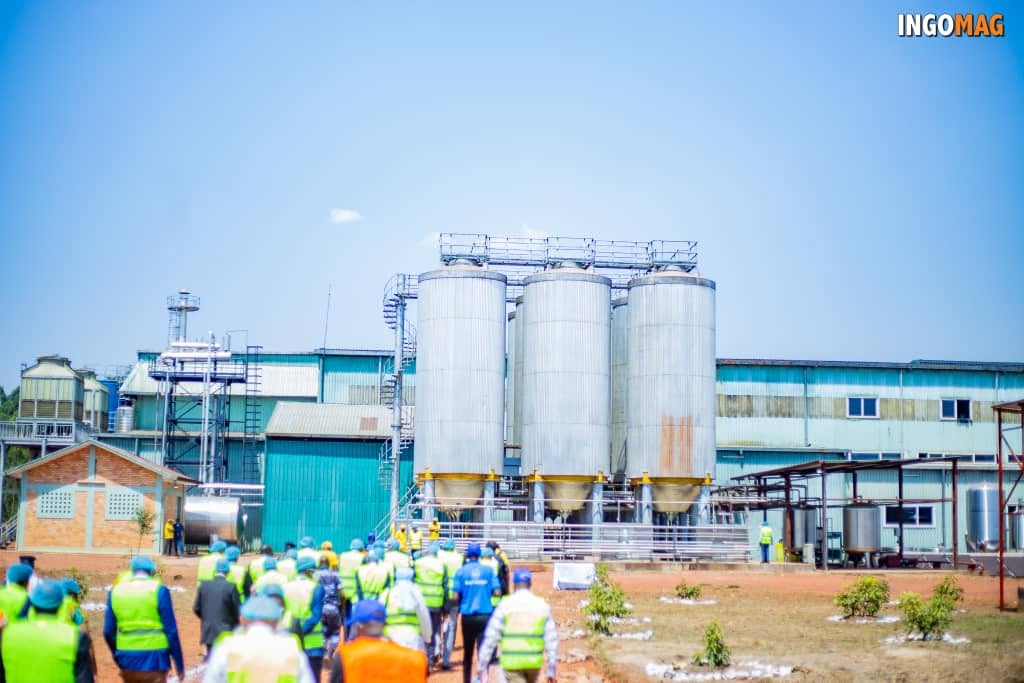
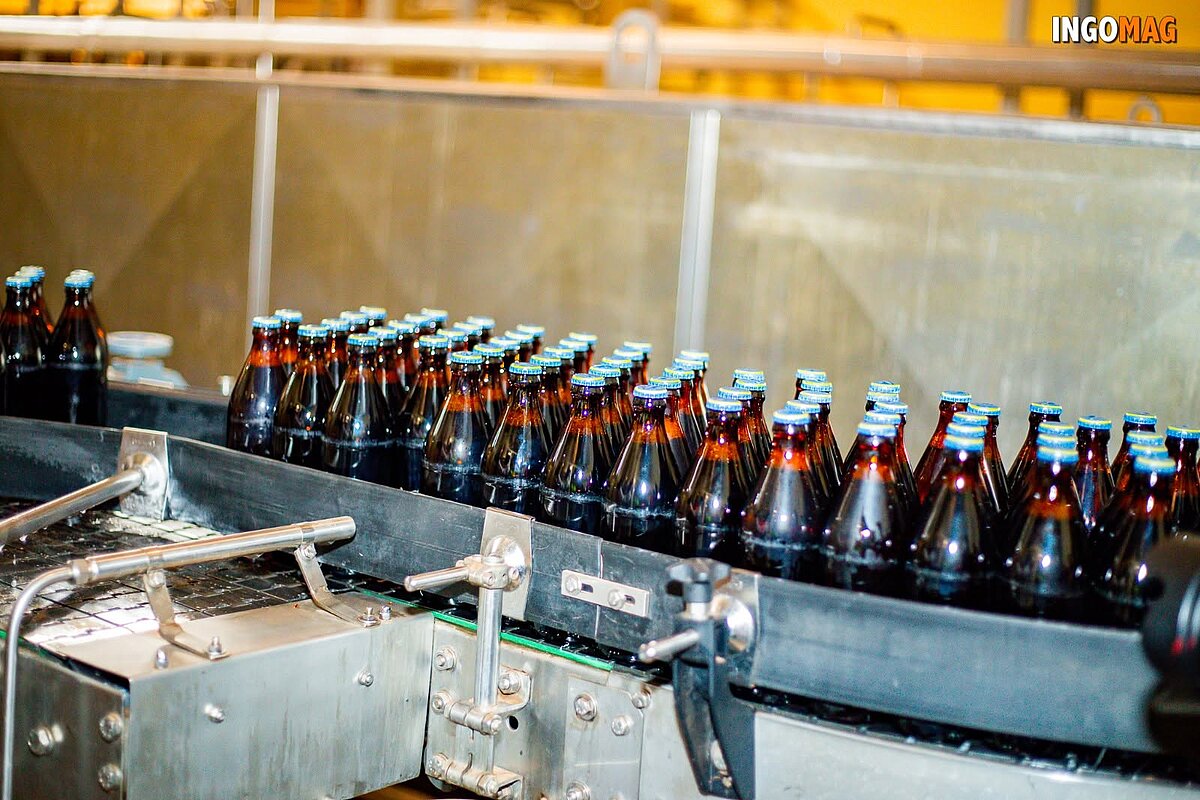
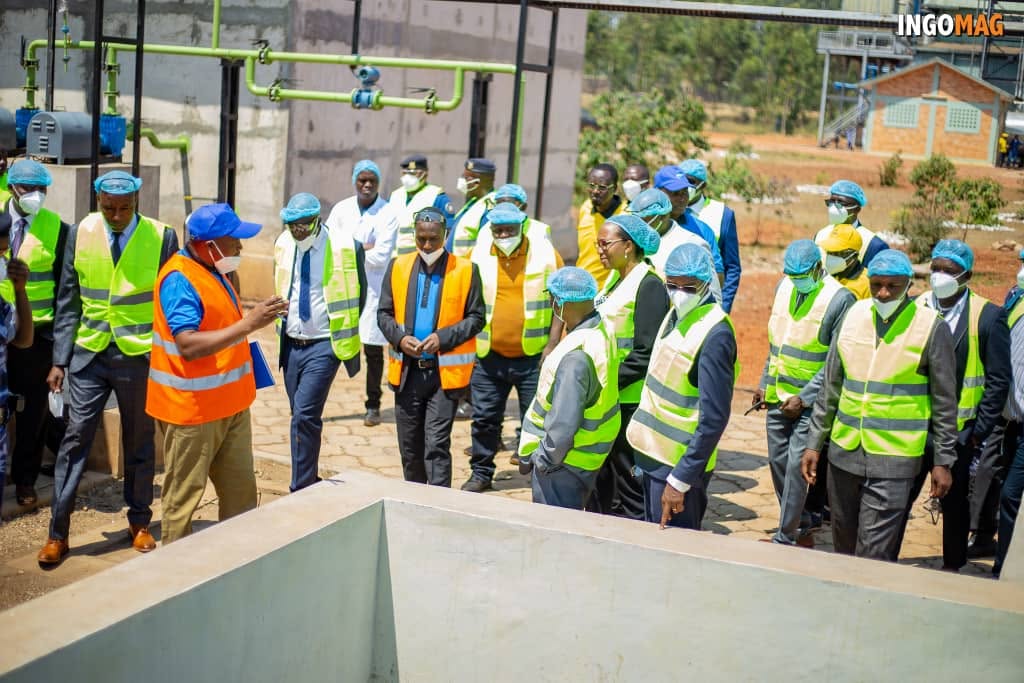
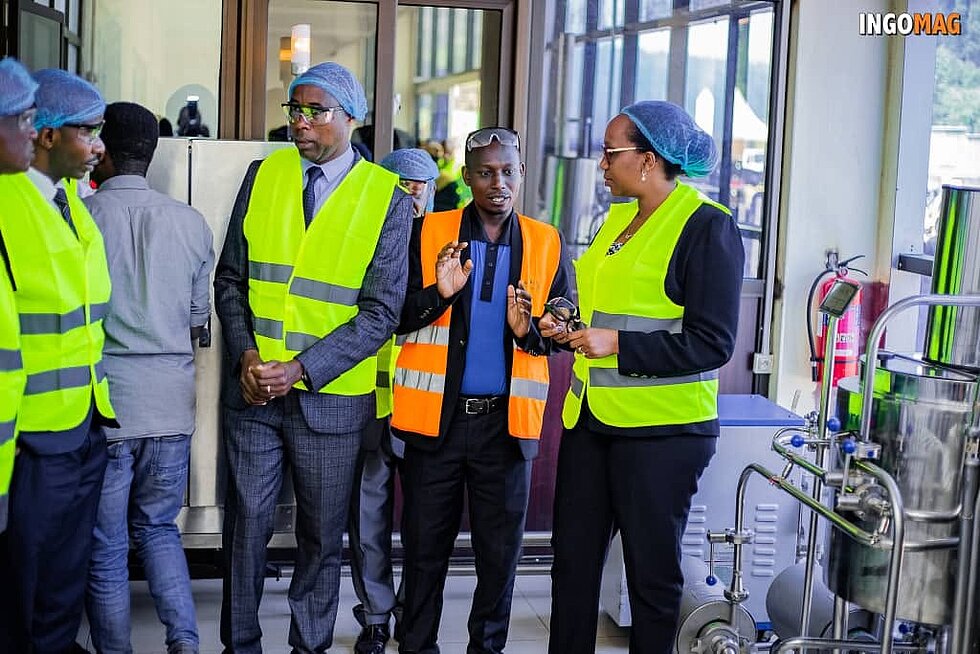
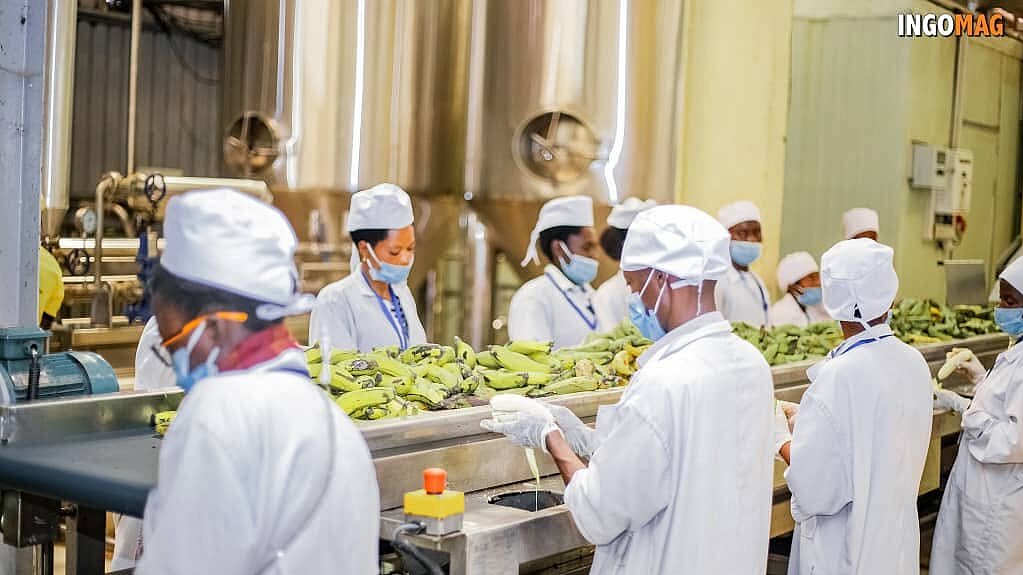
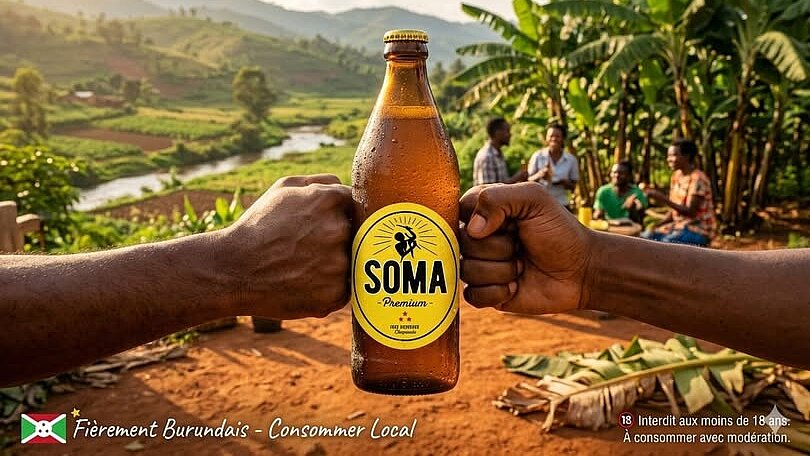
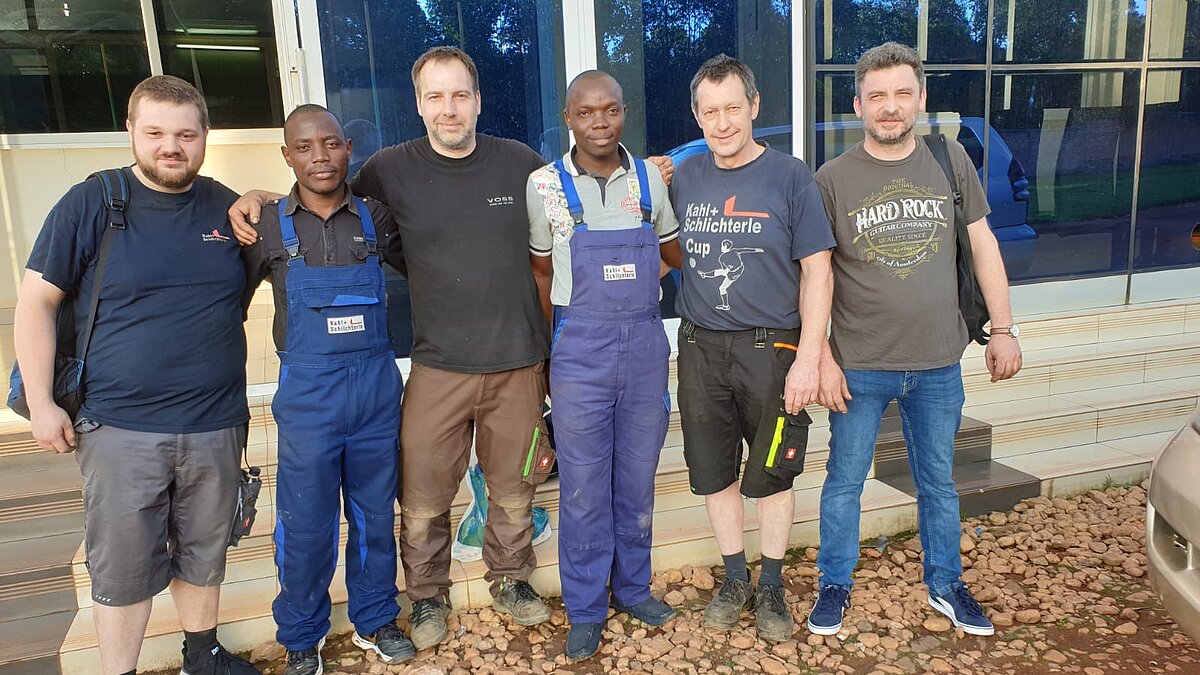
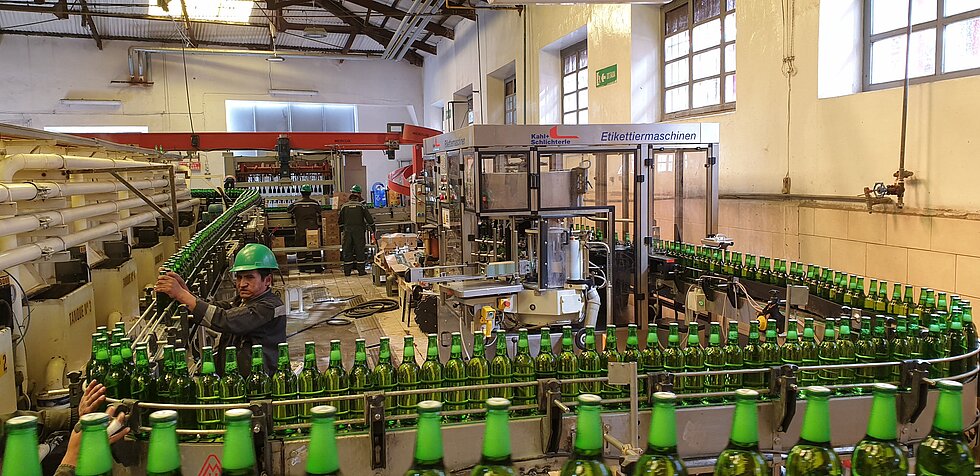
The accompanying photographs show the Burundi Brewery, its production facilities, staff and bottled beer. One image also features the Soma Premium brand. According to the French text provided by the client, Soma Burundi is brewed without the addition of refined sugar and is highly regarded by consumers.

The project benefits
A coordinated solution combining used and new technologyThe project for the Burundi Brewery demonstrates how different machines and plant components can be combined to form a comprehensive filling solution. Fully reconditioned used machines were specifically combined with new components as well as conveyor, control and supply systems.
The benefits of the project:
- Consolidation of the key process steps from bottle cleaning through to labelling.
- Combination of fully reconditioned used machines with new components.
- Designed for two glass bottle sizes: 0.5 l and 0.65 l.
- Integrated conveyor systems and electrical control systems as part of the overall concept.
- Taking into account packaging and sea freight for international transport.
Project profile
| Client | Burundi Brewery S.A. |
| Location | Ngozi, Burundi |
| Project | Supply of a beer bottling plant |
| Year documented | 2018 |
| Capacity | 8,000 bottles/hour at 0.5 l; 7,500 bottles/hour at 0.65 l |
| Core machinery | MAG Sirio 7/14, BKM Nagema Varifill 32/8/8, Hermis TP HRW 10, Krones Universella 10-4-4 |
| Scope of supply | Machinery, conveyor systems, cleaning-in-place system, control system, auxiliary units and spare parts |
| Transport | Sea freight, four 40-foot containers |
* Details as per the commercial invoice dated 7 March 2018 and the technical layout plan. These documents confirm the documented delivery and configuration, but do not independently confirm the actual commissioning or production output achieved subsequently.
Modernising a beer filling line in Bolivia
Fully reconditioned technology for special production conditions| Client | Cervecería Nacional Potosí Ltda., Potosí, Bolivia |
| Scope of supply | Fully reconditioned KHS/H+K filling and capping machine, Krones Campac bottle unpacker, Krones/Renner Prontomatic labelling machine and additional components |
| Filler | 50 filling valves, 10 crown cap capping heads for 26 mm standard crown caps |
| Documented output | Approx. 8,000–19,000 bottles per hour, depending on bottle format and product |
| Bottle sizes | 355 ml, 500 ml, 620 ml, 1,000 ml and 1,250 ml |
| Special feature | Motors designed for operation at approx. 4,080 m above sea level |
| Delivery | DAP Potosí, Bolivia; delivery was scheduled for March 2019 |
Starting point and challenge
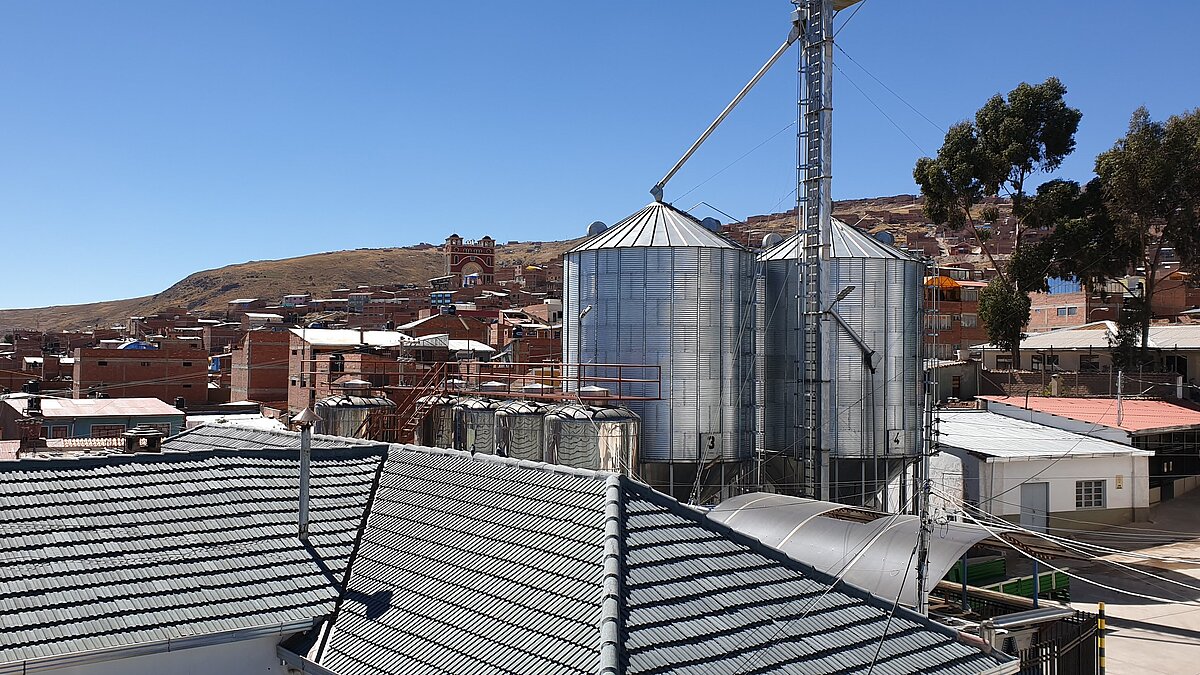
An efficient beer filling line must ensure consistent product filling, secure capping and reliable processing of various bottle formats. For this project in Potosí, there was an additional site-specific requirement: the city is situated at a high altitude. The project documentation specifies that the motors are designed for an altitude of approximately 4,080 metres above sea level.
The task involved technically overhauling the used bottling equipment, modernising the control system and adapting the machines to handle multiple bottle formats. The documented scope of supply combined bottling and capping with the unpacking of bottles from crates and subsequent labelling.
The technical solution
Flexible technology for different containersAt the heart of the system was a fully reconditioned KHS/H+K filling and capping machine featuring dual pre-venting, 50 filling valves and 10 capping heads. The machine was fitted with a new Siemens S7 control system, including a programmed operator panel, new pneumatic components and revised or replaced mechanical components. Parts in contact with the product were made of stainless steel, in accordance with the specification.
A fully reconditioned Krones Campac unpacker with 3–4 unpacking heads was specified for container feeding. The existing Siemens S5 control system was to be replaced by a Siemens S7 control system. Labelling was carried out by a fully reconditioned Krones/Renner Prontomatic 18-8-6 with 18 bottle turntables, an 8-part labelling unit and a 6-part gripper cylinder.
Key technical data
| Filling and capping machine | KHS/H+K, block design |
| Filling valves / capping heads | 50 / 10 |
| Closure | 26 mm standard crown caps |
| Capacity as per quotation | approx. 11,000 bottles/hour for 620 ml; 19,000 for 355 ml; 16,500 at 500 ml; 9,000 at 1,000 ml; 8,000 at 1,250 ml |
| Bottle unpacker | Krones Campac, 3–4 unpacking heads |
| labelling machine | Krones/Renner Prontomatic 18-8-6, up to approx. 18,000 bottles/hour |
| Control system | Siemens S7 to be installed on the filler and unpacker |
| Site elevation | According to the documentation, the motors are rated for approx. 4,080 m |

Delivery and project scope
International delivery all the way to PotosíThe commercial project documentation dated 19 February 2019 shows a total amount of EUR 540,465.70. This included the machines, additional format and equipment parts, a vacuum pump, packaging, transport and insurance. The delivery terms specified were DAP Potosí/Bolivia in accordance with Incoterms 2010; the delivery date was scheduled for March 2019.
A warranty covering the functionality of the equipment for six months following commissioning was documented, subject to the terms and conditions set out in the invoice, with exceptions for wear parts.
The result
Machines, components and logistics from one project planThe project demonstrates how used and fully reconditioned beverage machinery can be combined to create a filling solution tailored to operational requirements. The combination of a filler and capper, bottle unpacker and labeller covered key stages of the bottling process. Taking the high altitude of the site into account, as documented, was an important part of the technical planning.
Note: The technical data and project details in this case study are based on the available project invoice. The documents provided do not include an independently verified performance certificate following commissioning.
Project extension 2020
Adding a MAG Sirio 9 bottle washer to the lineIn 2020, Kahl & Schlichterle supplied an additional bottle washing machine to Cervecería Nacional Potosí Ltda. in Bolivia. This added a further key process step to the plant project, which had already been documented in 2019: the washing of returnable bottles.
The machine delivered
A MAG bottle washing machine, model Sirio 9, with a year of manufacture of 1995, was supplied. The used machine was fully reconditioned in 2020. It has 22 bottles per row and, according to the project specification, is designed for 0.35 l and 1.25 l bottles.
| Manufacturer / Model | MAG Sirio 9 |
| year of manufacture | 1995 |
| Condition | Used, fully reconditioned in 2020 |
| Rated capacity | 16,000 bottles per hour |
| Control range | 7,000–22,000 bottles |
| Bottle sizes | 0.35 l and 1.25 l |
| Number of bottles per row | 22 |
| Heating | Steam, 1 bar |
| Operating time / cleaning cycle | 16 minutes |
| Electrical power consumption | 40.3 kW |
| Dimensions as per invoice | Length including drain feed: approx. 10 m; width including attachments: approx. 4.5 m |
| Transport | Loaded on 16 December 2020; sea transport via Hamburg to Arica |
Scope of the full reconditioning
The machine was thoroughly refurbished prior to delivery. According to the project documentation, the work involved a complete clean, the overhaul of the bottle infeed and outfeed sections, the replacement of damaged bottle cells, and the overhaul of pumps, spray nozzles, the label removal system, return rollers, chain guides, valves and the electrical system. In addition, around 300 new spare bottle cells were supplied.
Logistics and delivery
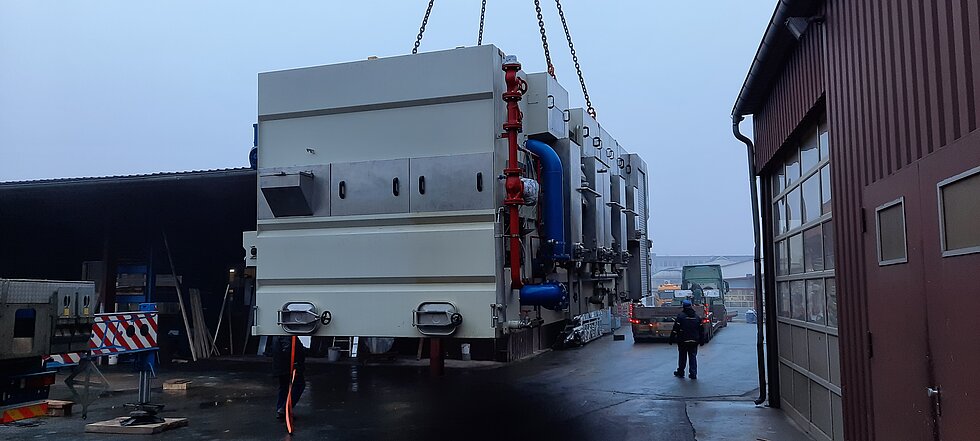
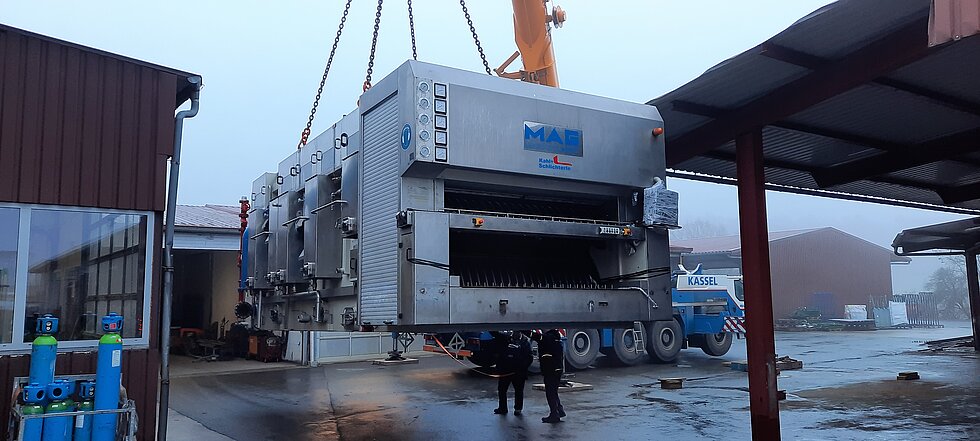
Delivering the 4.5-metre-wide bottle washing machine posed a logistical challenge due to its excessive width, requiring road permits and a police escort whilst travelling within Germany. The picture shows the machine being loaded at Kahl & Schlichterle’s factory premises. The much longer journey then continued from the Port of Hamburg to Potosí in Bolivia, 10,300 km away.
Extending the overall project
With the addition of the bottle washing machine, the project documented in 2019 was expanded to include bottle washing. Together with the previously supplied filling and capping machine, the bottle unpacker and the labelling machine, the equipment supplied covered several key stages of bottle processing. The 2020 delivery thus represents a follow-up order for the same customer.